Surgical orthopedics focuses on treating complex bone, joint, and muscle problems through advanced surgical methods. In many cases, patients do not find relief with medications or therapy alone. Therefore, surgery becomes an effective solution to restore movement and reduce pain. Moreover, modern orthopedic care now uses precise techniques that support faster recovery. As a result, patients can return to daily activities with improved strength and comfort.
At the same time, orthopedic conditions can affect people at any stage of life. Some individuals suffer from sudden injuries due to accidents or sports. On the other hand, others deal with long-term conditions like arthritis or joint degeneration. In both situations, surgical orthopedics provides a structured and reliable path to recovery.
What is Surgical Orthopedics?
Surgical orthopedics involves procedures that repair or replace damaged bones, joints, ligaments, and muscles. Generally, doctors recommend surgery when non-surgical treatments fail to deliver results. In addition, these procedures aim to restore proper alignment and function.
Depending on the condition, surgeons may use minimally invasive or open surgical techniques. For example, minimally invasive procedures require smaller incisions and reduce recovery time. However, complex conditions may still need traditional surgery for better access. Therefore, each treatment plan is customized based on patient needs.
Furthermore, orthopedic specialists assess every detail before recommending surgery. They review imaging reports, medical history, and symptoms carefully. As a result, patients receive a personalized and effective treatment approach.
Common Conditions Treated with Surgical Orthopedics
Surgical orthopedics covers a wide range of conditions. These include both sudden injuries and chronic disorders.
1. Joint Damage and Arthritis
Over time, joints can wear down due to aging or overuse. Consequently, patients may experience pain, stiffness, and limited mobility. In such cases, joint replacement surgery becomes a reliable option. It helps restore smooth movement and reduce discomfort.
2. Sports Injuries
Athletes often face ligament tears, tendon injuries, and fractures. Therefore, surgical repair becomes necessary to restore strength and stability. In addition, timely surgery helps prevent further complications.
3. Fractures and Trauma
Severe fractures may not heal properly on their own. As a result, surgeons use plates, screws, or rods to stabilize the bones. This ensures proper alignment and faster healing.
4. Spine Disorders
Spinal conditions like herniated discs or spinal stenosis can affect daily life. In such situations, surgery helps relieve pressure on nerves. Moreover, it improves posture and mobility.
5. Ligament and Tendon Injuries
Ligament injuries, such as ACL tears, often require surgical correction. Similarly, tendon damage can limit movement and strength. Therefore, surgical repair restores normal joint function.
Types of Surgical Orthopedic Procedures
Orthopedic surgery includes several procedures based on the patient’s condition and severity.
Joint Replacement Surgery
This procedure replaces damaged joints with artificial implants. Most commonly, it involves hip and knee joints. As a result, patients experience reduced pain and better mobility.
Arthroscopic Surgery
This technique uses small incisions and a camera to treat joint problems. Therefore, it causes less tissue damage. In addition, recovery is usually quicker compared to traditional surgery.
Spinal Surgery
Spinal procedures correct alignment issues and reduce nerve compression. Consequently, patients feel relief from chronic pain and discomfort.
Fracture Repair Surgery
In this procedure, surgeons fix broken bones using metal supports. This ensures proper healing and restores function.
Tendon and Ligament Repair
These surgeries repair torn soft tissues. As a result, patients regain stability and strength in the affected area.
Benefits of Surgical Orthopedics
Surgical orthopedics offers several important benefits. First of all, it provides long-term pain relief for patients with chronic conditions. Secondly, it restores mobility and flexibility, which improves daily functioning.
Moreover, surgery enhances joint stability and overall strength. In addition, modern techniques reduce hospital stays and speed up recovery. As a result, patients can resume normal activities sooner.
Furthermore, personalized rehabilitation programs improve recovery outcomes. Therefore, patients achieve better long-term results.
Recovery After Orthopedic Surgery
Recovery is a crucial part of the treatment process. It directly affects the success of the surgery. Therefore, patients must follow proper care guidelines.
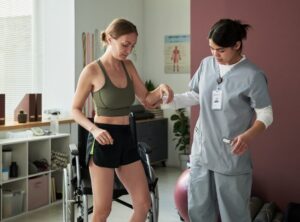
Typically, doctors recommend physiotherapy after surgery. This helps improve strength, flexibility, and mobility. In addition, guided exercises support faster healing.
At the same time, patients should follow medication schedules and allow enough rest. Gradual activity increase is also important. Consequently, this approach reduces the risk of complications.
Moreover, regular follow-up visits help monitor progress. Doctors can adjust treatment plans if needed. As a result, recovery stays on track.
Role of Physiotherapy in Surgical Orthopedics
Physiotherapy plays a vital role in surgical orthopedic care. It supports both before and after surgery stages.
Before surgery, physiotherapy prepares the body. It strengthens muscles and improves flexibility. Therefore, patients recover faster after the procedure.
After surgery, physiotherapy focuses on rehabilitation. It helps reduce stiffness and restore movement. In addition, therapists guide patients through safe exercises.
Furthermore, physiotherapy prevents future injuries. It improves posture, balance, and coordination. As a result, patients maintain long-term health.
When Should You Consider Surgical Orthopedics?
Not every condition requires surgery. However, certain signs indicate the need for surgical treatment.
For example, persistent pain that does not improve with therapy may require surgery. Similarly, limited mobility or joint stiffness can be warning signs.
In addition, severe injuries like fractures or ligament tears often need surgical repair.
If daily activities become difficult, it is important to consult a specialist.
Therefore, early diagnosis and timely treatment lead to better outcomes.
Advanced Techniques in Surgical Orthopedics
Modern orthopedic surgery continues to evolve with new technologies. As a result, patients benefit from safer and more effective treatments.
For instance, minimally invasive surgery reduces tissue damage and speeds up recovery.
Similarly, robotic-assisted surgery improves precision and accuracy.
In addition, 3D imaging helps in better diagnosis and surgical planning.
Moreover, biologic treatments support faster healing.
Consequently, these advancements improve overall patient outcomes.
Risks and Important Considerations
Although surgical orthopedics offers many benefits, it also involves some risks. However, proper planning and expert care can minimize these risks.
Possible complications include infection, swelling, or delayed healing. Therefore, patients must follow all medical instructions carefully.
In addition, choosing an experienced healthcare provider plays a key role in success.
Doctors usually explain all risks and benefits before surgery. As a result, patients can make informed decisions.
Choosing the Right Orthopedic Care
Selecting the right clinic is essential for effective treatment. Therefore, patients should look for experienced professionals and modern facilities.
A reliable clinic offers personalized treatment plans and advanced surgical options.
In addition, it provides complete support from diagnosis to recovery.
Moreover, a skilled team ensures safe procedures and better outcomes.
At Renew Physiotherapy, we support patients at every stage of orthopaedic care. Whether you are preparing for surgery or recovering after it, we are here to help. In addition, our team focuses on personalized rehabilitation plans that improve strength and mobility. As a result, you recover faster and return to your normal routine with confidence.