Shoulder movement is something most people take for granted until a simple task such as reaching for a shelf, putting on a shirt, lifting a bag, or combing your hair suddenly becomes painful. If you experience shoulder pain when lifting your arm, the problem may involve the muscles, tendons, joints, or other structures that help the shoulder move.
Pain during arm elevation can develop gradually because of repetitive movements, overuse, poor movement mechanics, or muscle weakness. It can also occur suddenly after a fall, sports injury, heavy lifting, or another traumatic event. Common conditions associated with shoulder pain include rotator cuff problems, shoulder impingement or subacromial pain, bursitis, frozen shoulder, arthritis, and other musculoskeletal conditions.
The good news is that shoulder pain does not always mean you need surgery. Depending on the underlying cause, physiotherapy may help reduce pain, improve shoulder mobility, restore strength, and help you return to everyday activities.
If your shoulder pain is affecting how you work, exercise, sleep, or perform daily tasks, understanding the possible causes is an important first step.
Why Does My Shoulder Hurt When I Lift My Arm?
The shoulder is a complex joint that allows a large range of movement. Several muscles and tendons work together to keep the joint stable while you reach, lift, rotate, and move your arm.
When one of these structures becomes irritated, overloaded, weak, or injured, certain movements can become painful.
Pain while lifting your arm may be related to:
Rotator cuff tendinopathy
Rotator cuff injury or tear
Subacromial shoulder pain or impingement
Shoulder bursitis
Frozen shoulder
Shoulder arthritis
Muscle weakness or imbalance
Repetitive overhead activity
Previous shoulder injury
Poor movement patterns or posture
However, shoulder pain cannot be accurately diagnosed from one symptom alone. A proper assessment is important because several shoulder conditions can produce similar symptoms.
Common Causes of Shoulder Pain When Lifting Your Arm
1. Rotator Cuff Tendinopathy
The rotator cuff consists of four muscles and their tendons that help stabilize and move the shoulder.
Repeated overhead movements, repetitive work, sports, muscle weakness, or other contributing factors can irritate these tendons. Pain may become noticeable when reaching overhead, lifting objects, reaching behind your back, or performing repetitive arm movements.
People involved in activities such as swimming, throwing sports, weight training, painting, construction, or repetitive overhead work may place additional demands on these structures.
Physiotherapy may include movement assessment, activity modification, range-of-motion exercises, strengthening, and functional rehabilitation depending on the individual's condition.
2. Rotator Cuff Tear
A rotator cuff tear can occur gradually through repeated stress or suddenly after trauma, such as a fall or lifting something heavy.
Possible symptoms include:
Shoulder pain
Weakness when lifting the arm
Reduced range of motion
Difficulty reaching overhead
Difficulty performing everyday activities
Pain around the shoulder or upper arm
The severity and location of a tear can influence treatment. Some injuries can be managed conservatively with rehabilitation, while more significant injuries may require assessment by an appropriate medical specialist.
If your shoulder pain started suddenly after an injury and you cannot properly lift your arm, professional assessment is particularly important.
3. Shoulder Impingement or Subacromial Pain
Shoulder impingement, also referred to as subacromial pain syndrome, involves pain and movement problems associated with structures in the shoulder region.
It may be aggravated by repeated overhead activity. People may notice pain when raising their arm, reaching to the side, throwing, or performing other movements above shoulder height.
A physiotherapy assessment can help identify movement limitations, strength deficits, and activity-related factors that may be contributing to symptoms.
4. Shoulder Bursitis
The shoulder contains small fluid-filled sacs called bursae that help reduce friction between moving tissues.
Bursitis can develop from repetitive overhead movements, direct trauma, muscle weakness, or other underlying conditions. Pain may occur around the outer or upper part of the shoulder and can become more noticeable with reaching or lifting.
Treatment depends on the underlying cause and may involve activity modification, exercises, and rehabilitation.
5. Frozen Shoulder
Frozen shoulder can cause significant pain and progressive stiffness.
Unlike some conditions where pain is the main problem, frozen shoulder can substantially restrict movement. Everyday tasks such as putting on a jacket, reaching behind your back, or raising your arm may become difficult.
If your shoulder has gradually become both painful and stiff, a professional assessment can help determine whether frozen shoulder or another condition may be involved.
6. Shoulder Arthritis
Changes within the shoulder joint can also contribute to pain and restricted movement.
Shoulder osteoarthritis involves changes to the cartilage and other structures within the joint. Symptoms may include pain, stiffness, and difficulty with activities requiring shoulder movement. Physiotherapy can focus on maintaining mobility, improving strength, and helping you manage functional limitations.
What Does Shoulder Pain When Lifting Your Arm Feel Like?
The exact symptoms can vary depending on the cause.
You may experience:
Pain at the front, side, or top of the shoulder
Pain when raising your arm overhead
Pain when reaching sideways
Pain when reaching behind your back
Shoulder stiffness
Weakness when lifting
Difficulty carrying objects
Pain during sports or exercise
Pain when sleeping on the affected side
Reduced shoulder range of motion
For example, rotator cuff problems can cause pain with overhead activities and may also produce weakness during lifting or reaching.
Because symptoms overlap between different shoulder conditions, persistent pain should not automatically be assumed to be a specific injury.
Why Does It Hurt More When I Raise My Arm?
When you raise your arm, multiple muscles, tendons, and joints have to coordinate smoothly.
If a tendon is irritated, a muscle is weak, or shoulder movement is restricted, raising the arm may increase stress on the affected structures.
Repeated overhead activity can also aggravate certain shoulder problems. This is why people may notice symptoms while:
Reaching into a cupboard
Hanging clothes
Washing their hair
Lifting weights
Swimming
Playing racket sports
Painting
Working overhead
Placing luggage into an overhead compartment
The movement itself is not necessarily harmful. The important question is why that movement is painful and what is contributing to the symptoms.
When Should You See a Physiotherapist?
Consider professional assessment if shoulder pain:
Continues or keeps returning
Interferes with work or daily activities
Makes it difficult to raise your arm
Causes noticeable weakness
Limits your range of motion
Affects your sleep
Develops after repetitive activity or sports
Does not improve with appropriate self-care
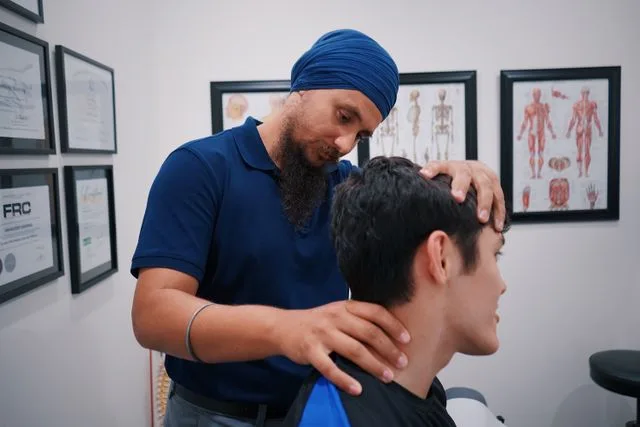
A physiotherapist can assess your movement, strength, mobility, activity demands, and functional limitations to help determine an appropriate rehabilitation approach. Physical therapy is commonly used for conditions involving the rotator cuff and other shoulder problems.
For general physiotherapy information, you can also explore physiotherapy services in Surrey at Renew Physiotherapy.
How Physiotherapy Can Help With Shoulder Pain
Physiotherapy is not one single treatment. The approach depends on the cause, severity, symptoms, and goals of the individual.
A treatment plan may include several components.
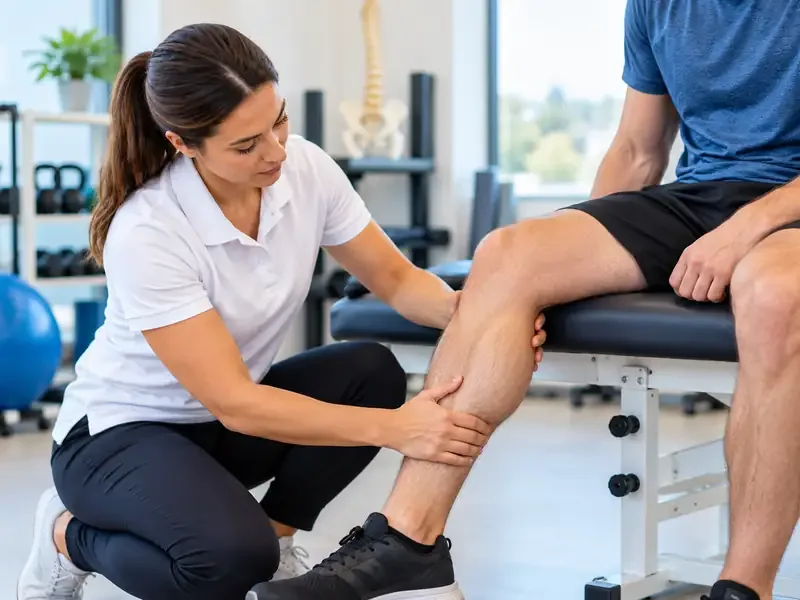
1. Assessment
The first step is understanding what is causing your symptoms.
A physiotherapist may assess:
Shoulder range of motion
Muscle strength
Shoulder blade movement
Posture
Functional movements
Pain patterns
Previous injuries
Work and sports activities
For suspected rotator cuff problems, physical therapists commonly assess shoulder movement, strength, posture, and muscle balance.
2. Exercise Therapy
Specific exercises may be prescribed to improve:
Shoulder mobility
Rotator cuff strength
Shoulder blade control
Upper-body strength
Movement coordination
Functional capacity
The exercises should match the individual's condition and current ability.
A generic internet exercise routine is not necessarily appropriate for every shoulder problem. For example, someone with significant stiffness may require a different approach from someone recovering from an acute tendon injury.
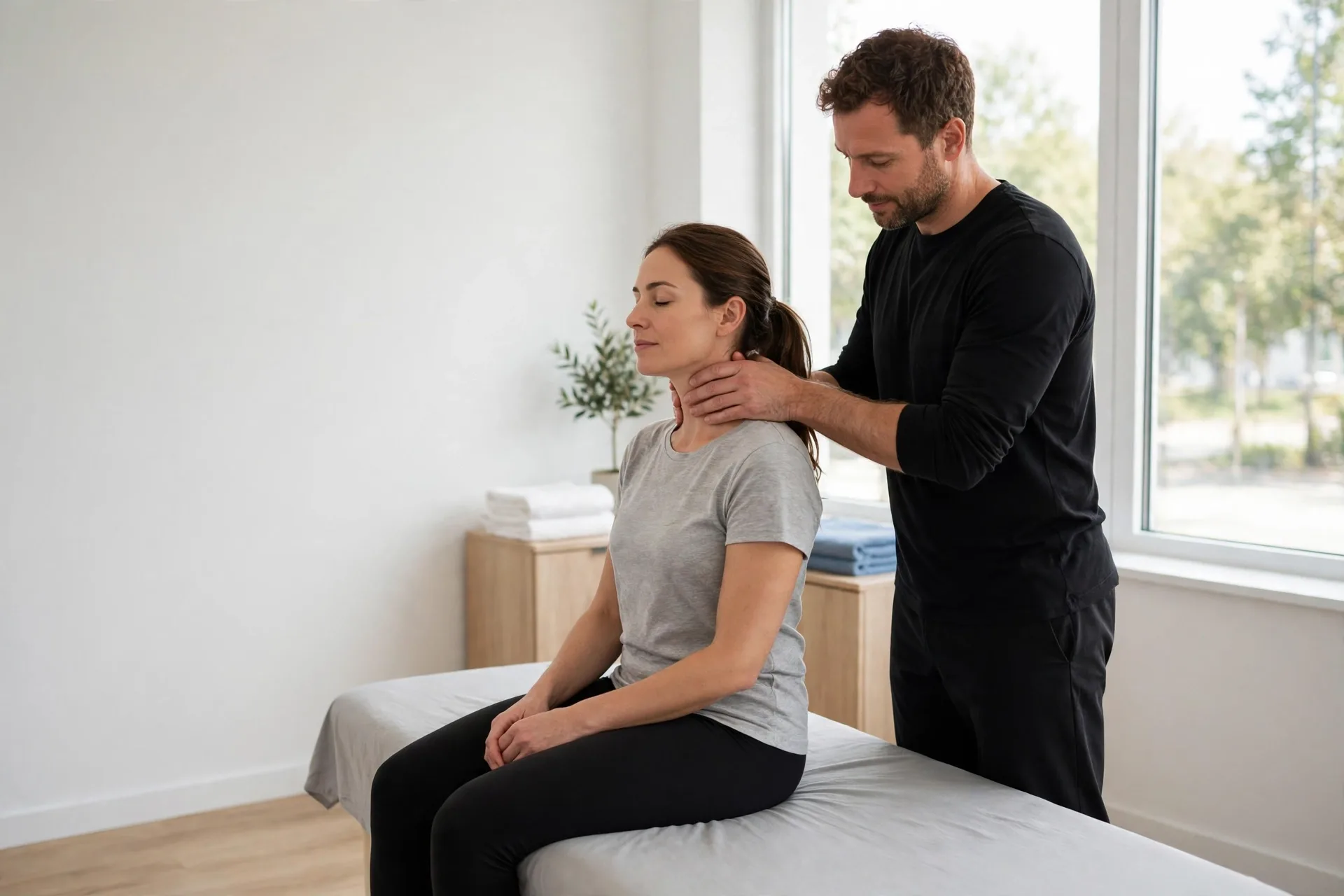
3. Manual Therapy
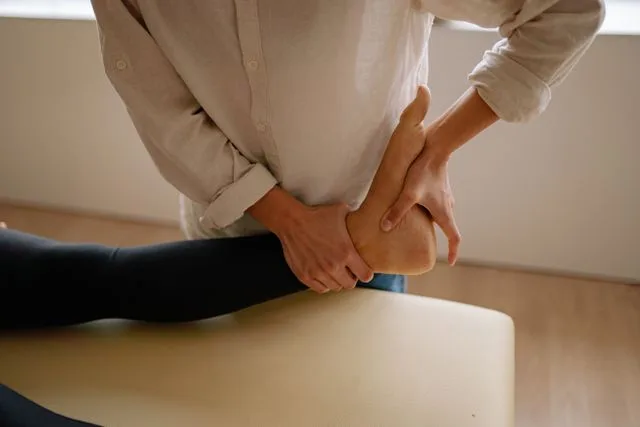
Depending on the assessment, manual techniques may be used to support mobility and symptom management.
These can include appropriate joint or soft-tissue techniques alongside active rehabilitation.
The goal should not simply be temporary symptom relief. A broader rehabilitation plan should address movement, strength, function, and the activities that matter to the patient.
4. Activity Modification
Sometimes the best approach is not complete rest.
Instead, your physiotherapist may help you temporarily modify activities that repeatedly aggravate your symptoms while maintaining appropriate movement.
For example, this may involve changing:
Lifting technique
Training volume
Overhead activity
Workstation setup
Exercise selection
Sleeping positions
Sports activity
The appropriate modifications depend on the cause of your shoulder pain.
5. Progressive Strengthening
Once symptoms allow, progressive strengthening can help restore shoulder function.
Strengthening may target the:
Rotator cuff
Shoulder blade muscles
Upper back
Arm
Trunk and supporting muscles
The progression should be gradual rather than based on simply lifting heavier weights.
The American Physical Therapy Association notes that rehabilitation for rotator cuff problems may include range-of-motion exercises, strengthening, and functional training based on the individual's condition and goals.
What Exercises May Help Shoulder Pain?
The right exercises depend on the underlying condition.
Some people may benefit from controlled mobility exercises, while others may need progressive strengthening.
Examples of exercise categories that may be included in a rehabilitation program are:
Gentle Range-of-Motion Exercises
These can help maintain or gradually improve shoulder movement when stiffness is present.
Rotator Cuff Strengthening
Resistance exercises may be used to improve the strength and control of the muscles supporting the shoulder.
Shoulder Blade Exercises
Strengthening the muscles around the shoulder blade can help improve control during reaching and lifting.
Functional Exercises
As symptoms improve, rehabilitation can progress toward movements that resemble your work, sport, or everyday activities.
The important point is progression. Exercises should be selected and adjusted according to your symptoms and functional goals.
If an exercise causes significant or worsening pain, stop and seek professional guidance rather than simply pushing through it.
Can Poor Posture Cause Shoulder Pain?
Posture can be one contributing factor, particularly when someone spends long periods sitting with the head and shoulders positioned forward.
However, shoulder pain is rarely explained by posture alone.
Work habits, repetitive movement, muscle strength, mobility, previous injuries, activity levels, and other factors can all contribute.
For people with rotator cuff problems, the APTA notes that posture and workstation habits may be addressed as part of rehabilitation.
Therefore, rather than trying to maintain a “perfect posture” all day, it can be more useful to vary positions, take movement breaks, and build adequate strength and mobility.
What Should You Avoid If Your Shoulder Hurts?
If lifting your arm consistently causes pain, temporarily reducing activities that clearly aggravate the symptoms may be sensible.
Depending on your condition, this could mean reducing:
Heavy overhead pressing
Repetitive overhead work
Painful throwing movements
Heavy lifting
High-volume shoulder workouts
Movements that repeatedly worsen symptoms
However, completely stopping all shoulder movement is not necessarily helpful.
The NHS advises people with shoulder pain to stay active and gently move the shoulder, while avoiding activities that appear to make the problem worse.
A physiotherapist can help you determine which movements should be modified and which can safely continue.
Shoulder Pain After a Workout
Shoulder discomfort after exercise can have several possible causes.
It may occur after:
Overhead pressing
Bench pressing
Pull-ups
Swimming
Throwing
Weight training
New exercises
Sudden increases in training volume
If symptoms repeatedly appear during the same movement, don't simply continue increasing the load.
Instead, consider reducing the provoking activity and getting the shoulder assessed, particularly if you also notice weakness or reduced range of motion.
For athletes and active individuals, Renew Physiotherapy provides sports injury management that includes assessment, movement analysis, rehabilitation exercises, strengthening, and return-to-activity planning.
Shoulder Rehabilitation at Renew Physiotherapy
At Renew Physiotherapy and Sports Clinic, physiotherapy focuses on restoring movement, reducing pain, and helping patients return to their normal activities.
The clinic's physiotherapy service uses hands-on treatment and guided exercise and treats sports injuries, work-related pain, post-surgical conditions, and chronic musculoskeletal problems.
Depending on the assessment, rehabilitation may include:
Manual therapy
Exercise therapy
Mobility work
Strengthening
Movement retraining
Activity modification
Functional rehabilitation
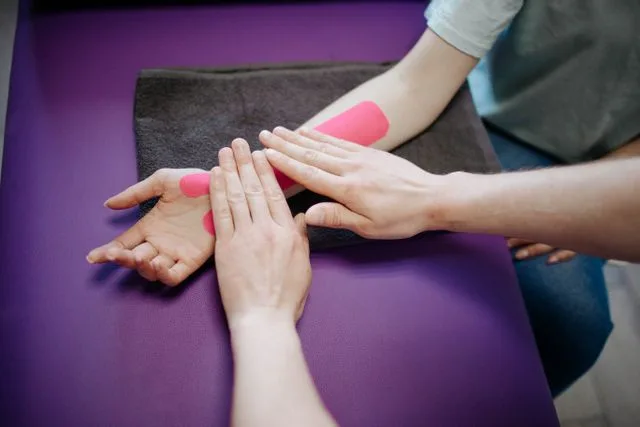
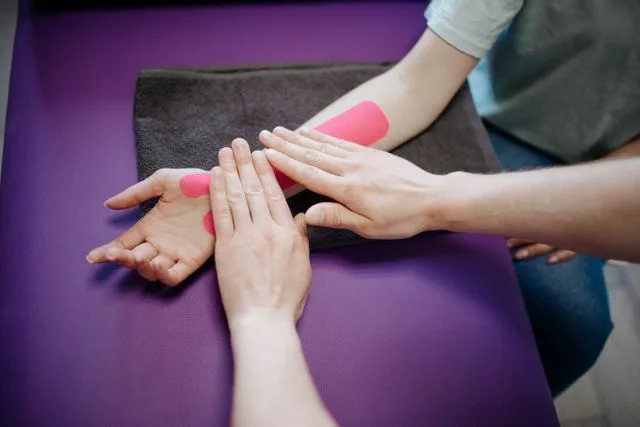
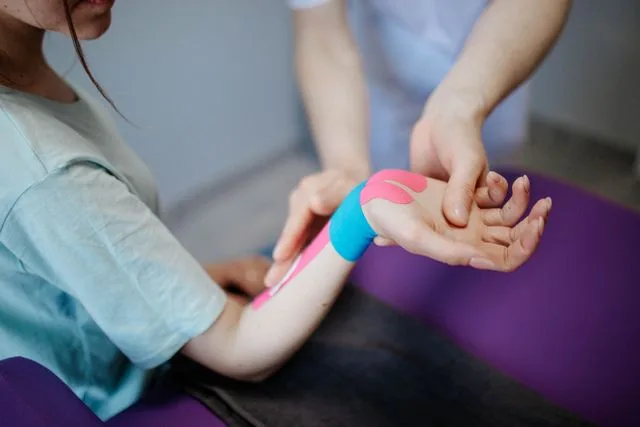
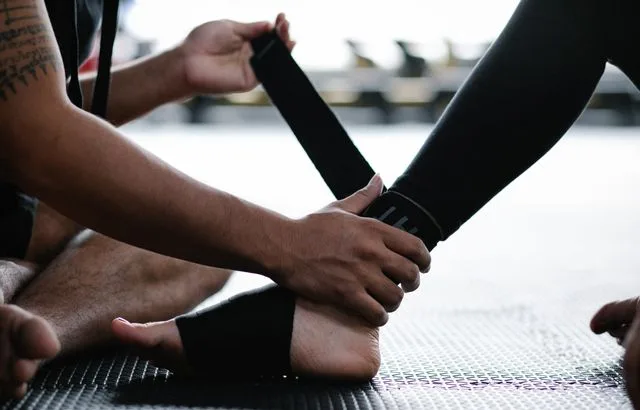
Taping or bracing where appropriate
For patients who require a structured exercise-based approach, active rehabilitation in Surrey can also form part of a broader recovery plan.
Can Shockwave Therapy Help Shoulder Pain?
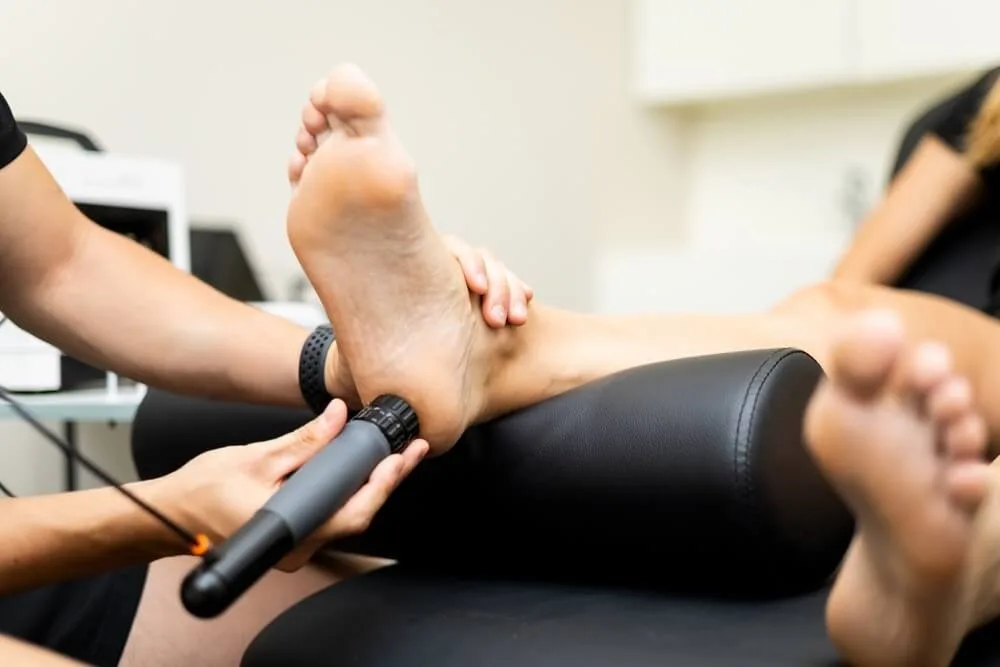
Shockwave therapy is one treatment offered by Renew Physiotherapy for selected musculoskeletal conditions.
The clinic describes its shockwave service as a non-invasive option used for chronic pain and tendon-related conditions, including shoulder tendon pain and calcific tendinitis.
However, shockwave therapy is not automatically appropriate for every type of shoulder pain.
A proper assessment should determine whether the underlying condition is suitable for this approach.
You can learn more about shockwave therapy in Surrey before discussing whether it may be appropriate for your symptoms.
When Is Shoulder Pain an Emergency?
Most shoulder pain is not an emergency, but certain symptoms require prompt medical assessment.
Seek urgent medical attention if you:
Suddenly develop severe shoulder pain
Cannot move your arm
Have a visibly deformed shoulder
Develop significant swelling after an injury
Experience persistent numbness or loss of sensation
Develop severe pain after a fall or accident
Feel feverish or seriously unwell along with shoulder symptoms
These symptoms can occur with injuries such as fractures or dislocations and other conditions requiring urgent evaluation.
Do not attempt to diagnose or treat a significant injury solely through online information.
How Long Does Shoulder Pain Take to Improve?
There is no single recovery timeline for shoulder pain.
Recovery depends on:
The underlying condition
Severity of the injury
How long symptoms have been present
Activity demands
Overall strength and mobility
Treatment adherence
Whether the shoulder has been previously injured
Some minor problems may improve relatively quickly, while more persistent conditions can require a longer rehabilitation program.
For this reason, the goal should not simply be to find a quick treatment. The more useful approach is to identify the likely cause, manage aggravating factors, and progressively restore function.
How to Prevent Recurring Shoulder Pain
You cannot prevent every shoulder problem, but several habits may help reduce unnecessary strain.
Build shoulder strength
Include appropriate strengthening for the rotator cuff, shoulder blade, upper back, and supporting muscles.
Increase exercise gradually
Avoid suddenly increasing training volume, weight, or overhead activity.
Warm up before demanding activity
Prepare your shoulders before sports, workouts, or physically demanding work.
Take movement breaks
If your work involves prolonged sitting or repetitive tasks, change positions regularly.
Use appropriate technique
Poor movement mechanics can increase stress on certain tissues.
Address recurring symptoms early
Repeated pain during the same movement should not simply be ignored.
Shoulder Pain When Lifting Your Arm: Key Takeaways
Shoulder pain during arm elevation can result from several different conditions, including rotator cuff problems, subacromial shoulder pain, bursitis, frozen shoulder, arthritis, or injury.
The important point is that the symptom alone does not identify the cause.
If your pain is persistent, worsening, associated with weakness, or limiting everyday activities, a professional assessment can help determine what is happening.
Physiotherapy may then be used to improve mobility, build strength, modify aggravating activities, and gradually restore normal function.
For patients in Surrey and surrounding communities, Renew Physiotherapy offers physiotherapy and rehabilitation services designed around individual conditions and functional goals.
Frequently Asked Questions
Why does my shoulder hurt when I lift my arm?
Shoulder pain during lifting can be associated with rotator cuff problems, subacromial shoulder pain, bursitis, arthritis, frozen shoulder, muscle weakness, or an injury. A professional assessment is needed to determine the likely cause.
Should I stop lifting my arm if it hurts?
Avoid movements that clearly aggravate your symptoms, but complete immobilization is not always appropriate. Gentle movement may be beneficial for some conditions. If pain persists or movement becomes difficult, seek professional assessment.
Can physiotherapy help shoulder pain?
Yes. Depending on the cause, physiotherapy may help improve shoulder movement, strength, function, and pain management. Treatment is generally tailored to the individual's condition and goals.
Can a rotator cuff problem cause pain when lifting the arm?
Yes. Rotator cuff problems can cause pain during overhead activities and may also cause weakness or difficulty with reaching and lifting.
When should I see a physiotherapist for shoulder pain?
Consider an assessment if your symptoms persist, repeatedly return, interfere with daily activities, affect sleep, reduce your range of motion, or cause weakness.
Can shoulder pain go away on its own?
Some mild shoulder problems can improve with appropriate activity modification and time. However, persistent or worsening symptoms should be assessed rather than repeatedly ignored.
Book a Physiotherapy Assessment in Surrey
If shoulder pain is making everyday movements difficult, getting the underlying problem assessed can help you understand what may be contributing to your symptoms and what recovery options are appropriate.
Renew Physiotherapy provides personalized physiotherapy and rehabilitation services in Surrey and surrounding communities.
Renew Physiotherapy and Sports Clinic
📍 5722 176a Street, Surrey, BC V3S 4H2
📞 (236) 450-0171
📧 Info@renewclinics.ca
You can also visit the Renew Physiotherapy contact page to get in touch with the clinic.
Read More →