
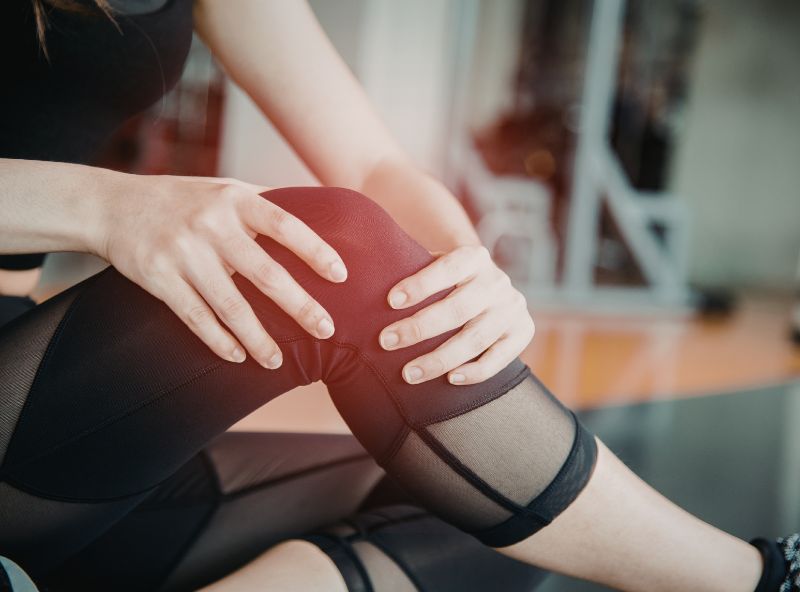
Sports injuries are common among athletes and physically active people. Whether you play professionally or enjoy recreational sports, injuries can occur anytime. A sudden twist, improper movement, or overuse can lead to pain and discomfort.
However, proper sports injury management helps reduce pain, speed up recovery, and prevent long-term damage. Early treatment and professional care can help athletes return to their activities safely.
In this article, we will explain sports injuries, their causes, treatment options, and recovery strategies.
Understanding Sports Injuries
Sports injuries occur when the body experiences stress beyond its capacity. These injuries often affect muscles, ligaments, tendons, and joints.
They can happen during training, competition, or even during routine exercise.
Sports injuries usually fall into two categories:
1. Acute Injuries
Acute injuries occur suddenly during physical activity. They often cause immediate pain and swelling.
Common examples include:
- Sprains
- Muscle strains
- Fractures
- Dislocations
- Ligament tears
For example, an ankle twist during running can cause a sprain instantly.
2. Overuse Injuries
Overuse injuries develop gradually due to repetitive stress on muscles and joints.
These injuries often occur when athletes train too frequently without proper rest.
Common overuse injuries include:
- Tennis elbow
- Runner’s knee
- Shin splints
- Stress fractures
Because symptoms develop slowly, many athletes ignore them until the pain becomes severe.
Common Types of Sports Injuries
Many different injuries can occur during sports activities. Some of the most common include:
Sprains and Strains
Sprains affect ligaments, while strains affect muscles or tendons. These injuries often occur due to sudden movements or overstretching.
Knee Injuries
The knee is one of the most vulnerable joints in sports. Injuries such as ACL tears, meniscus damage, and ligament sprains are common among athletes.
Shoulder Injuries
Sports involving throwing or overhead movements can strain the shoulder joint. Rotator cuff injuries are common in sports like baseball and swimming.
Tendinitis
Tendinitis occurs when tendons become inflamed due to repetitive motion. It causes pain, swelling, and stiffness around the joint.
Fractures and Dislocations
High-impact sports can cause bone fractures or joint dislocations. These injuries require immediate medical attention.
Common Causes of Sports Injuries
Understanding the causes of sports injuries helps athletes prevent them.
Several factors increase the risk of injury.
Poor Warm-Up
Skipping warm-up exercises increases muscle stiffness. This raises the risk of muscle tears and ligament injuries.
Overtraining
Training too frequently without rest can weaken muscles and joints. Overtraining often leads to chronic injuries.
Incorrect Technique
Improper form during sports activities places unnecessary stress on the body. Over time, this can cause serious injuries.
Lack of Conditioning
Weak muscles cannot support joints properly. Poor conditioning increases the risk of strains and sprains.
Inadequate Equipment
Using improper footwear or poorly fitted equipment can lead to injuries during sports activities.
Symptoms of Sports Injuries
Sports injuries can cause several symptoms depending on the severity of the damage.
Common symptoms include:
- Pain during movement
- Swelling around the injured area
- Reduced range of motion
- Bruising or redness
- Muscle weakness
- Difficulty bearing weight
If these symptoms persist, it is important to seek professional treatment.
Early care prevents complications and speeds up recovery.
Importance of Early Sports Injury Management
Ignoring sports injuries often leads to more serious complications. Minor injuries can become chronic problems if left untreated.
Proper sports injury management provides several benefits:
- Faster recovery
- Reduced pain and inflammation
- Prevention of long-term joint damage
- Improved mobility and strength
- Safe return to sports activities
Professional treatment helps athletes recover safely without risking further injury.
Treatment Options for Sports Injuries
Treatment depends on the type and severity of the injury. However, most injuries respond well to physiotherapy and non-surgical treatments.
R.I.C.E Method
The R.I.C.E method is often the first step in managing sports injuries.
R.I.C.E stands for:
Rest: Avoid activities that worsen the injury.
Ice: Apply ice packs to reduce swelling and inflammation.
Compression: Use bandages to support the injured area.
Elevation: Keep the injured limb elevated to reduce swelling.
This method helps control pain during the early stages of injury.
Physiotherapy Treatment
Physiotherapy plays a key role in sports injury recovery. Physiotherapists design personalized treatment plans to restore strength and mobility.
Common physiotherapy treatments include:
- Manual therapy
- Stretching exercises
- Strength training
- Joint mobilization
- Rehabilitation programs
These treatments help athletes recover faster and return to their sport safely.
Advanced Therapies for Sports Injuries
Modern physiotherapy clinics use advanced technologies to improve recovery.
Some effective therapies include:
Shockwave Therapy
Shockwave therapy stimulates tissue healing and reduces chronic pain.
Laser Therapy
Laser therapy improves blood circulation and accelerates tissue repair.
Dry Needling
Dry needling helps release tight muscle knots and reduces muscle pain.
Massage Therapy
Therapeutic massage improves blood flow and reduces muscle tension.
These therapies often reduce recovery time significantly.
Rehabilitation After Sports Injury
Rehabilitation is a critical step in sports injury management. Without proper rehabilitation, the injury may return.
Rehabilitation focuses on:
- Restoring muscle strength
- Improving flexibility
- Enhancing joint stability
- Correcting movement patterns
A structured rehabilitation program helps athletes return to their sport with confidence.
Tips to Prevent Sports Injuries
Prevention is always better than treatment. Athletes can reduce injury risks by following simple precautions.
Warm Up Before Exercise
Warm-up exercises prepare muscles for physical activity and reduce injury risk.
Stretch Regularly
Stretching improves flexibility and prevents muscle stiffness.
Use Proper Technique
Learning the correct form during sports activities protects joints and muscles.
Wear Proper Equipment
Use well-fitted footwear and protective gear suitable for your sport.
Allow Proper Recovery
Rest days allow muscles to recover and reduce the risk of overuse injuries.
Maintain Physical Fitness
Strong muscles support joints and reduce stress on the body.
When to See a Physiotherapist
Many athletes try to continue playing despite pain. However, persistent discomfort should not be ignored.
You should consult a physiotherapist if you experience:
- Pain lasting more than a few days
- Difficulty moving a joint
- Swelling that does not improve
- Reduced strength in muscles
- Repeated sports injuries
Early assessment helps identify the root cause of the injury and prevents further complications.
Long-Term Benefits of Sports Injury Management
Proper treatment does more than relieve pain. It improves overall physical performance.
Effective sports injury management helps:
- Restore full mobility
- Improve muscle balance
- Strengthen joints and ligaments
- Prevent future injuries
- Enhance athletic performance
Athletes who follow proper rehabilitation programs often return stronger than before.
Why Professional Physiotherapy Matters
Sports injuries require specialized care. Self-treatment may relieve symptoms temporarily but often fails to address the underlying cause.
Professional physiotherapists understand body mechanics and sports-related injuries. They create customized treatment plans based on the athlete’s condition.
This approach ensures safe and effective recovery.
Sports Injury Treatment at Renew Physiotherapy
If you are dealing with a sports injury, professional treatment can help you recover faster.
At Renew Physiotherapy, we specialize in advanced sports injury management and rehabilitation. Our experienced physiotherapists provide personalized treatment plans to reduce pain, restore mobility, and prevent future injuries.
We use modern physiotherapy techniques and evidence-based treatments to help athletes and active individuals return to their normal activities safely.
If you are experiencing pain or recovering from a sports injury, visit Renew Physiotherapy for expert care and effective recovery solutions.