
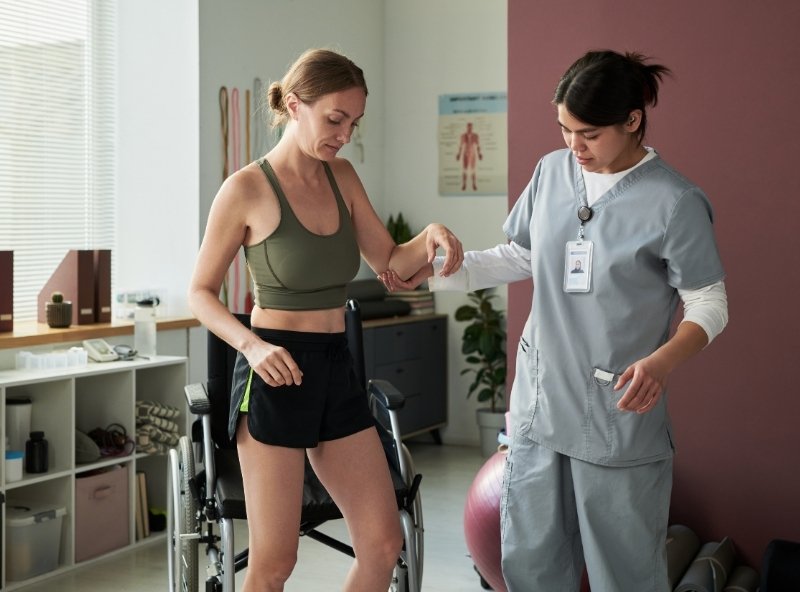
Vestibular rehabilitation helps people manage dizziness, balance problems, and vertigo effectively. These issues often affect daily life and reduce confidence in movement. Many people feel unsteady while walking, turning, or changing positions. However, with proper vestibular rehabilitation, symptoms can improve significantly. This specialized physiotherapy focuses on restoring balance and reducing dizziness safely.
Vestibular problems may develop after an illness, injury, or inner ear condition. Sometimes, symptoms appear suddenly. In other cases, they build up gradually over time. Therefore, early assessment and guided care play a vital role in recovery. With the right treatment plan, most people return to daily activities with confidence.
What Is Vestibular Rehabilitation?
Vestibular rehabilitation is a specialized form of physiotherapy. It focuses on treating balance disorders and dizziness caused by inner ear or nervous system issues. The vestibular system controls balance, eye movement, and spatial awareness. When this system does not function properly, symptoms like dizziness and vertigo appear.
Through specific exercises and movement training, vestibular rehabilitation retrains the brain. As a result, the brain learns to adapt and respond correctly to movement again. This process reduces symptoms and improves stability. Because each condition is different, treatment plans remain personalized.
Common Conditions Treated with Vestibular Rehabilitation
Vestibular rehabilitation helps manage many balance-related conditions. These conditions affect people of all ages. Some develop suddenly, while others persist for months or years.
Common conditions treated include:
- Vertigo and spinning sensations
- Benign Paroxysmal Positional Vertigo (BPPV)
- Dizziness after concussion
- Balance problems after illness or infection
- Motion sensitivity
- Unsteadiness while walking
In addition, vestibular rehabilitation helps people who feel dizzy when turning their head or changing positions. It also supports recovery after neurological conditions under professional guidance.
Signs and Symptoms That Need Vestibular Care
Vestibular symptoms vary from person to person. Sometimes, symptoms feel mild. However, they can also feel severe and disruptive. Therefore, recognizing early signs helps prevent long-term issues.
Common symptoms include:
- Dizziness or lightheadedness
- Vertigo or spinning sensations
- Poor balance or frequent falls
- Nausea during movement
- Blurred vision when walking
- Difficulty focusing during head movement
In some cases, anxiety develops due to fear of dizziness. Because of this, vestibular rehabilitation also supports confidence and emotional well-being.
Why Vestibular Rehabilitation Is Important
Balance issues often worsen without treatment. Many people limit movement to avoid dizziness. As a result, balance and coordination decline further. In contrast, vestibular rehabilitation encourages safe and controlled movement.
Moreover, proper vestibular care reduces fall risk. It improves walking stability and eye coordination. Over time, patients regain independence and confidence. With guided therapy, daily activities become easier and safer.
How Vestibular Rehabilitation Works
Vestibular rehabilitation starts with a detailed assessment. First, the physiotherapist reviews symptoms and medical history. Next, balance, eye movement, posture, and walking patterns are assessed. This process identifies the root cause of dizziness.
Based on findings, a personalized treatment plan is created. Treatment progresses gradually and safely. As symptoms improve, exercises become more challenging. Throughout care, progress is monitored closely to avoid symptom flare-ups.
Key Components of Vestibular Rehabilitation
Vestibular rehabilitation uses several targeted techniques. Each component supports a specific part of balance recovery.
Key components include:
- Balance training to improve stability
- Gaze stabilization exercises for eye control
- Head movement exercises to reduce dizziness
- Postural training for body alignment
- Walking and coordination drills
Together, these exercises help the brain adapt. As a result, symptoms reduce and movement becomes smoother.
Balance Training in Vestibular Rehabilitation
Balance training is a core part of vestibular rehabilitation. These exercises improve coordination and body awareness. Initially, exercises focus on simple movements. Gradually, difficulty increases as balance improves.
Balance training helps reduce fall risk. It also improves confidence during walking and standing. Over time, patients move more freely without fear.
Gaze Stabilization and Vision Control
Many vestibular problems affect eye movement. When the head moves, vision may blur. Therefore, gaze stabilization exercises play an important role.
These exercises train the eyes to stay focused during movement. As a result, dizziness reduces and visual clarity improves. This improvement supports reading, walking, and daily activities.
Vestibular Rehabilitation After Concussion
Dizziness often appears after a concussion. Balance and vision systems may not work together properly. Vestibular rehabilitation helps retrain these systems safely.
Treatment focuses on balance, eye coordination, and gradual activity exposure. With guided care, post-concussion dizziness improves steadily. Early treatment leads to better recovery outcomes.
Who Can Benefit from Vestibular Rehabilitation?
Vestibular rehabilitation benefits people of all ages. It supports recovery for both sudden and long-term balance issues.
People who benefit include:
- Individuals with vertigo or dizziness
- Seniors with balance problems
- Patients recovering from concussion
- People with motion sensitivity
- Individuals with frequent falls
Early care improves results. Professional guidance ensures safe and effective treatment.
Vestibular Rehabilitation in Surrey and Langley
People in Surrey, Langley, Cloverdale, South Surrey, Clayton, and Willoughby often experience balance issues due to injury or illness. Access to vestibular rehabilitation services supports timely recovery. Local physiotherapy clinics provide personalized vestibular care close to home.
With professional treatment, patients return to work, daily activities, and social life with confidence.
Why Choose Professional Vestibular Rehabilitation
Professional vestibular rehabilitation ensures accurate diagnosis and safe treatment. Trained physiotherapists understand balance systems and movement patterns. They use evidence-based techniques to support recovery.
Choosing professional care offers:
- Personalized treatment plans
- Reduced fall risk
- Improved balance and stability
- Better confidence during movement
- Long-term symptom control
Education also plays a key role. Patients learn how to manage symptoms independently.
Vestibular Rehabilitation at Renew Clinics
At Renew Clinics, we provide comprehensive vestibular rehabilitation services focused on long-term recovery. Our experienced physiotherapists perform detailed assessments and create personalized treatment plans. We focus on balance training, dizziness reduction, and confidence restoration.
Serving Surrey and Langley, Renew Clinics is a leading service provider committed to helping patients regain balance, reduce dizziness, and return to daily life safely.