236-450-0171
Call Now
Info@renewclinics.ca
Email Us
236-450-0171
Call Now
Info@renewclinics.ca
Email Us
Sports Injury Management focuses on treating injuries caused by physical activity, overuse, or sudden impact. It helps reduce pain, restore movement, and support a safe return to sports and daily activity.
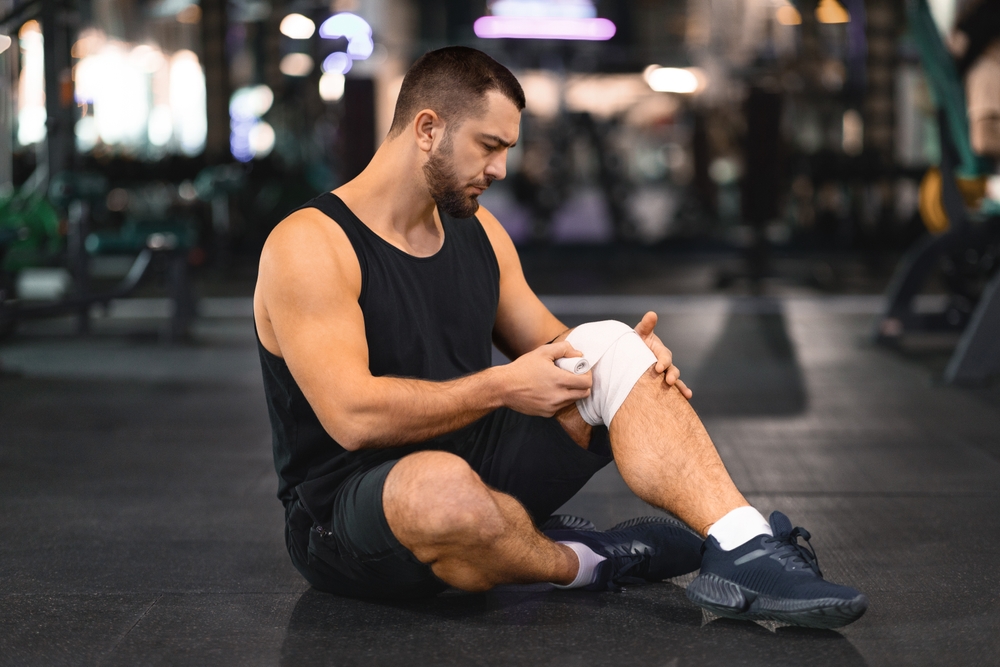
At Renew Physiotherapy and Sports Clinic, we understand the challenges posed by sports injuries. Whether you’re a professional athlete, a weekend warrior, or someone who enjoys staying active, an injury can derail your routine and impact your ability to perform. That’s where our expert team comes in. We are dedicated to providing comprehensive sports injury management for residents of Surrey and Langley, BC, to help you recover quickly, safely, and effectively.
Sports injuries are any injuries that occur during physical activity or sport. These injuries can impact various parts of the body, such as muscles, bones, ligaments, tendons, and joints.
The impact of sports injuries can be profound, leading to long-term pain, restricted movement, or, if not treated properly, further complications down the line.
Sports injuries can be classified into two broad categories: acute injuries and chronic injuries.
Acute injuries happen suddenly, usually as a result of a specific traumatic incident, like a fall, collision, or abrupt movement. These injuries are typically marked by immediate pain, swelling, or bruising. Common examples include:
Chronic injuries, in contrast, develop slowly over time due to repetitive strain or overuse of a specific muscle or joint. These injuries can be more subtle initially but can result in long-term discomfort and disability if left untreated. Examples of chronic injuries include:
Effective sports injury management is crucial to ensuring that an injury heals correctly and that the individual can safely return to their sport or activity. Poor or delayed treatment can lead to prolonged pain, reduced mobility, and the risk of chronic conditions.
At Renew Physiotherapy and Sports Clinic, we focus on a holistic approach to managing sports injuries & rehabilitation, ensuring not only a swift recovery but also a return to peak performance. Our team of professionals employs the latest techniques and evidence-based practices to address injuries effectively and prevent future occurrences.
Sports injuries management involves a multifaceted approach that includes accurate diagnosis, personalized treatment, rehabilitation, and injury prevention. Our process ensures that you are provided with the best care possible, addressing both the immediate pain and the long-term health of the affected area.
Following this assessment, we will create a tailored treatment plan that is specific to your injury and goals.
Once your injury has been assessed, we begin sports injury management with targeted treatment strategies. Treatment may involve the following, depending on the specifics of the injury:
Each treatment is customised to focus on the distinct features of your injury, ensuring an efficient and thorough recovery.
The rehabilitation phase of sports injuries management focuses on restoring your mobility, strength, and functionality. Our team will support you through a rehabilitation program customised to your specific injury, which may include:
Once your injury has healed, preventing re-injury is a key aspect of sports injuries management. We don’t just focus on immediate recovery; our team will help you implement strategies to keep you healthy and injury-free in the future. This includes:
Sports physiotherapy is vital in the injury and rehabilitation process, concentrating on the prevention, diagnosis, and treatment of injuries caused by physical activity. Whether you have suffered a sudden injury or are dealing with the long-term effects of overuse, our sports physio team at Renew Physiotherapy and Sports Clinic is equipped with the expertise to guide you through every stage of recovery.
Our sports physiotherapists specialize in restoring optimal movement and function, using a combination of hands-on techniques, therapeutic exercises, and patient education. They are skilled in identifying the root causes of sports injuries, ensuring that you not only recover from your current injury but also improve your physical capabilities to prevent future issues.
The goal of sports injuries management is not just to heal the injury but to help you return to full function—whether that means getting back on the field, in the gym, or enjoying your daily activities without pain. At Renew Physiotherapy and Sports Clinic, we take a personalized approach to each patient’s care, ensuring that you receive the support and guidance you need throughout your recovery journey.
If you are suffering from a sports injury in Surrey or Langley, BC, trust our team at Renew Physiotherapy and Sports Clinic to provide expert sports injuries & rehabilitation services to support your recovery and help you return to an active lifestyle.
| Muscle Strains & Tears | Reduces pain, promotes tissue healing, and restores strength. |
| Ligament Sprains | Improves joint stability and prevents further injury. |
| Tendon Injuries | Decreases inflammation and supports tendon recovery. |
| Sports-Related Joint Pain | Enhances mobility and reduces stiffness. |
| Overuse Injuries | Corrects movement patterns and prevents recurrence. |
| Post-Surgical Sports Rehab | Supports safe return to sport and physical activity. |
| Impact & Contact Injuries | Speeds recovery and improves functional performance. |
| Injury Prevention Programs | Builds strength and reduces future injury risk. |
Sports injury management is a structured approach to assess, treat, and prevent sports-related injuries. It focuses on pain reduction, proper healing, and restoring normal movement. This care helps athletes return to activity safely and efficiently.
Proper management prevents injuries from becoming chronic or recurring. It improves recovery time and reduces future injury risk. It also supports long-term performance and joint health.